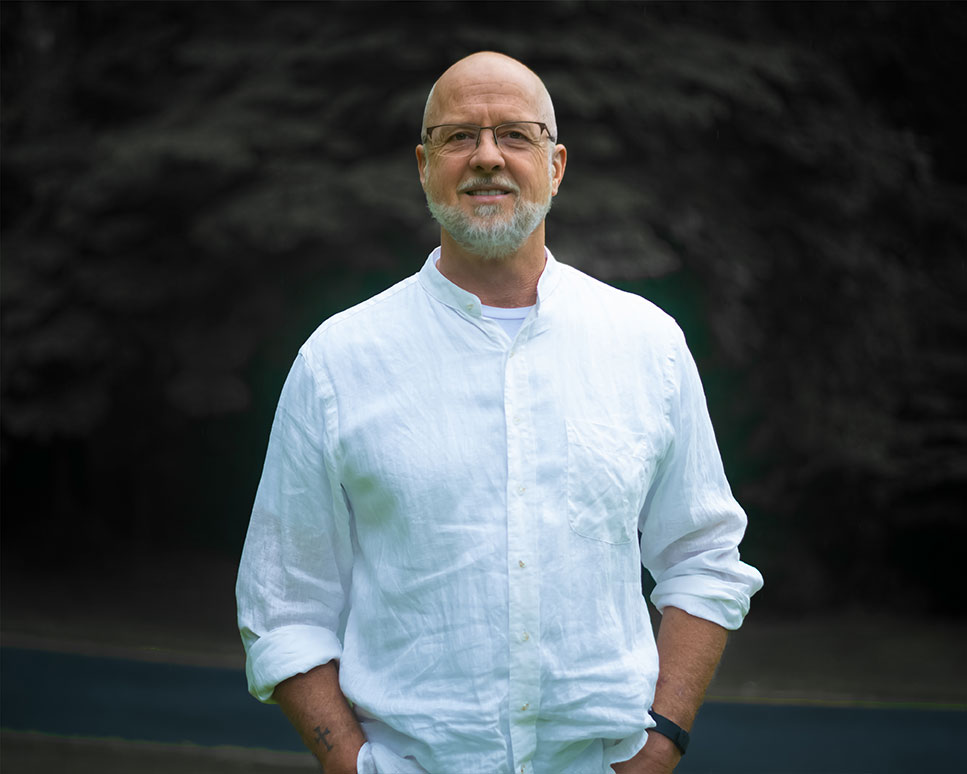
About Dr. Stella J. Wuttke
Short Introduction
Dr. Stella J. Wuttke integrates psychology, cognitive neuroscience, meditation, sound healing, and contemplative practice in her work supporting relaxation, emotional resilience, personal growth, and spiritual development. With advanced training in psychology and neuroscience, roughly fifteen years of academic research and teaching, decades of meditation practice, and extensive training in sound healing, she brings together scientific understanding and contemplative wisdom in a practical and accessible way.
Her academic work focused on neuroplasticity, perception, adaptation, and EEG-based brainwave dynamics, including research and teaching at the University of Jena and research stays in St Andrews. Across those years, she became increasingly fascinated by how strongly perception, well-being, and human experience are shaped by prior experience, conditioning, attention, and the state of the nervous system.
Alongside her scientific career, decades of meditation practice, Kriya Yoga, and years of close guidance from accomplished Kriya Yoga teachers and spiritual mentors—complemented by journeys through India, Nepal, Tibet, Cambodia, and Thailand—gradually expanded her exploration of consciousness beyond a purely academic framework. Initially skeptical of sound healing because of her scientific training, she later became interested in the relationship between sound, perception, nervous-system functioning, and human experience through both personal practice and years of client work.
Today, her work integrates neuroscience, neurofeedback, meditation, sound healing, and esoteric acupuncture, with a particular focus on anxiety, trauma-related symptoms, sleep difficulties, and heightened sensitivity. She co-founded the Infinite Potential Institute, serves as president of Stillpoint Santa Barbara, and founded Awakening Stillpoint as an online sanctuary for meditation, sound healing, learning, and contemplative exploration.
Background and Approach
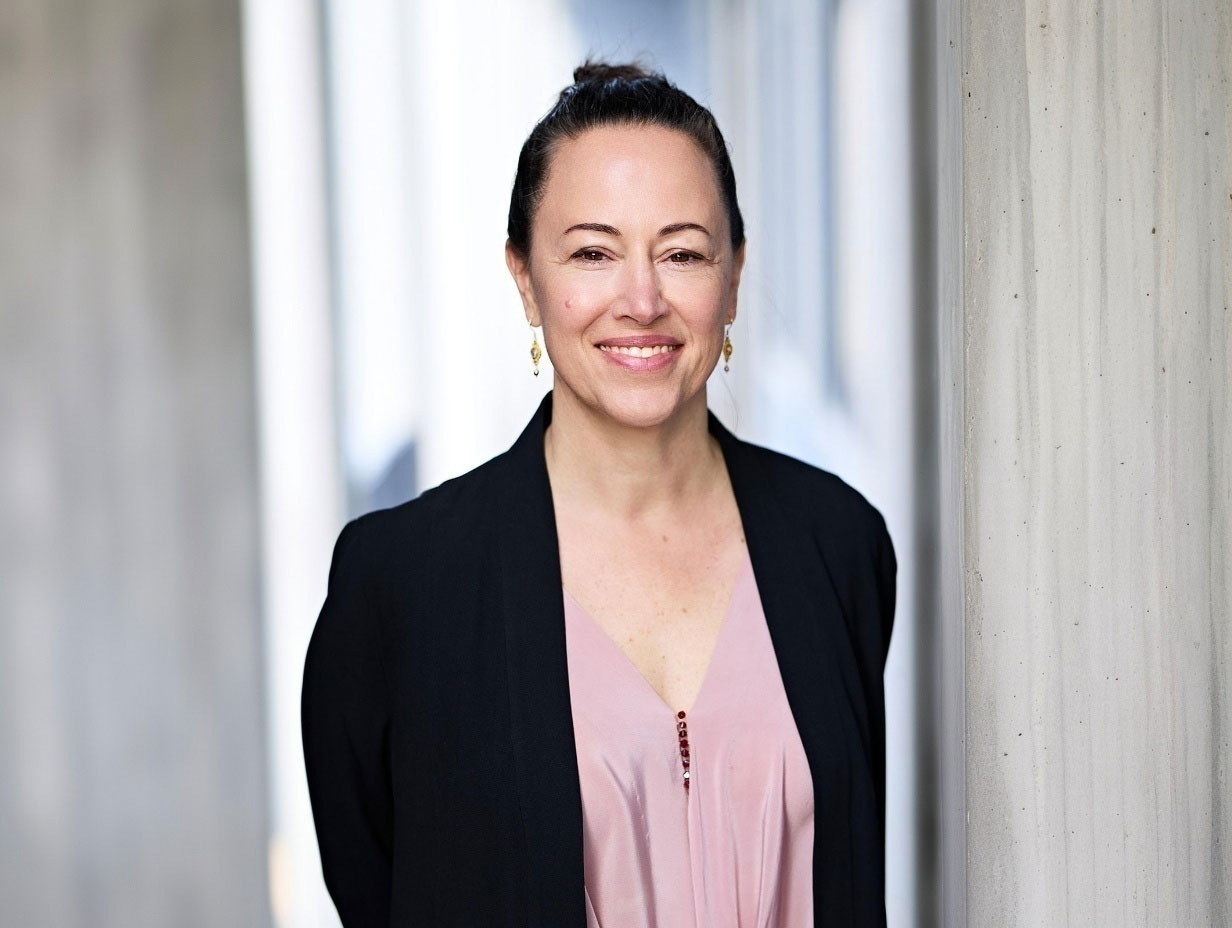
Professional Background
During high school, I developed a growing interest in psychology, religion, philosophy, and other cultures. After spending some time as an au pair in London, I initially explored several of those directions academically before eventually focusing on psychology. I completed both my master’s degree and doctorate in psychology through the University of Vienna and the University of Bamberg, specializing in cognitive neuroscience and general psychology. I then followed a relatively traditional academic path that included research stays in St Andrews and several years of pre- and postdoctoral research and teaching at the Universities of Jena, Bamberg, and Vienna. During my scientific career, I published scientific articles in peer-reviewed journals, presented research at international conferences, acted as a scientific reviewer, and served as a mentor.
Across roughly fifteen years of research and teaching, I became especially interested in how the brain adapts and how experience shapes perception. Much of my work focused on neuroplasticity, adaptation, and EEG-based brainwave research. What fascinated me most was the realization that perception is not fixed or objective in the way we often assume. The same situation can be experienced as calming or threatening, meaningful or overwhelming, depending on past experiences, conditioning, attention, and the state of the nervous system. Before starting my final state-funded research project, I began specializing in neurofeedback — a form of EEG-based brain training that allows individuals to regulate and optimize patterns of brain activity. Around the same time, my work gradually moved beyond the university setting and into more direct client-centered practice. Eventually, that transition also brought me from Germany to California.
Today, I primarily work with individuals experiencing anxiety, trauma-related symptoms, sleep difficulties, hyper-sensitivity, burnout, and emotional or nervous-system dysregulation. What has continued to shape my work most deeply is witnessing how approaches such as neurofeedback, sound healing, meditation, and esoteric acupuncture can influence not only symptoms but also people’s sense of inner stability, self-perception, and overall quality of life.
In 2019, I co-founded the Infinite Potential Institute in Santa Barbara. I currently also serve as president of Stillpoint Santa Barbara, a small nonprofit organization supporting individuals affected by trauma. In 2024, I founded Awakening Stillpoint as an online sanctuary for meditation, Sound Energy Healing, learning, and inner exploration. While I deeply value working with clients in person, I also wanted to create something more accessible — a space that people could engage with regardless of where they live and without the financial barriers often associated with one-on-one work. Just as importantly, I wanted to create a platform where I could integrate all parts of myself more honestly: analytical and intuitive, scientific and contemplative, structured and deeply human.
Experiencing & Practicing Sound Energy Healing
People often ask me how I found sound healing, and my answer is usually: “I didn’t find it — it found me.” In fact, I resisted it for quite some time. The idea that tuning forks could be used as a healing modality initially seemed far too far-fetched for someone trained as a natural scientist. Growing up, I learned that showing emotion or trusting intuition could easily be perceived as unprofessional or irrational. Ironically, many of the most important decisions in my life were ultimately guided by intuition.
When I first experienced sound healing personally, I was surprised by how profoundly I felt its effects. What fascinated me most was not only the sensory experience itself, but the possibility that subtle energy shifts affect perception, emotion, and behavior. Long before I encountered sound healing, I had already been drawn to the idea that the subtle and the physical are deeply interconnected. This path required me to develop forms of perception that had received little attention in my earlier scientific training: sensing, listening inwardly, and learning to trust intuitive impressions without abandoning discernment or critical thinking.
My studies in Biofield Tuning with Eileen McKusick, as well as numerous courses and workshops with Dr. John Beaulieu, including his six-month certification program, supported that process effectively. Even earlier, Dr. Mikio Sankey encouraged me during my studies in Esoteric Acupuncture to begin learning how to “see” beyond what is immediately visible to the physical senses. Another important aspect of working in this field, at least in my experience, is developing self-awareness and discernment — learning to distinguish between one’s own inner experience and what may emerge in interaction with a client. In many ways, my decades-long meditation practice became an important foundation for that process.
For a long time, I was probably my own strongest skeptic regarding sound healing and energy work. What helped me continue were the experiences of clients, the consistent feedback I received over time, and the support of my husband. Together, those experiences encouraged me to remain open to forms of perception and healing that did not easily fit into my previous profession.
What continues to fascinate me is not certainty, but the ongoing exploration of how sound, vibration, perception, consciousness, physiology, and subtle experience may be interconnected in ways we do not yet fully understand.

Spiritual Background
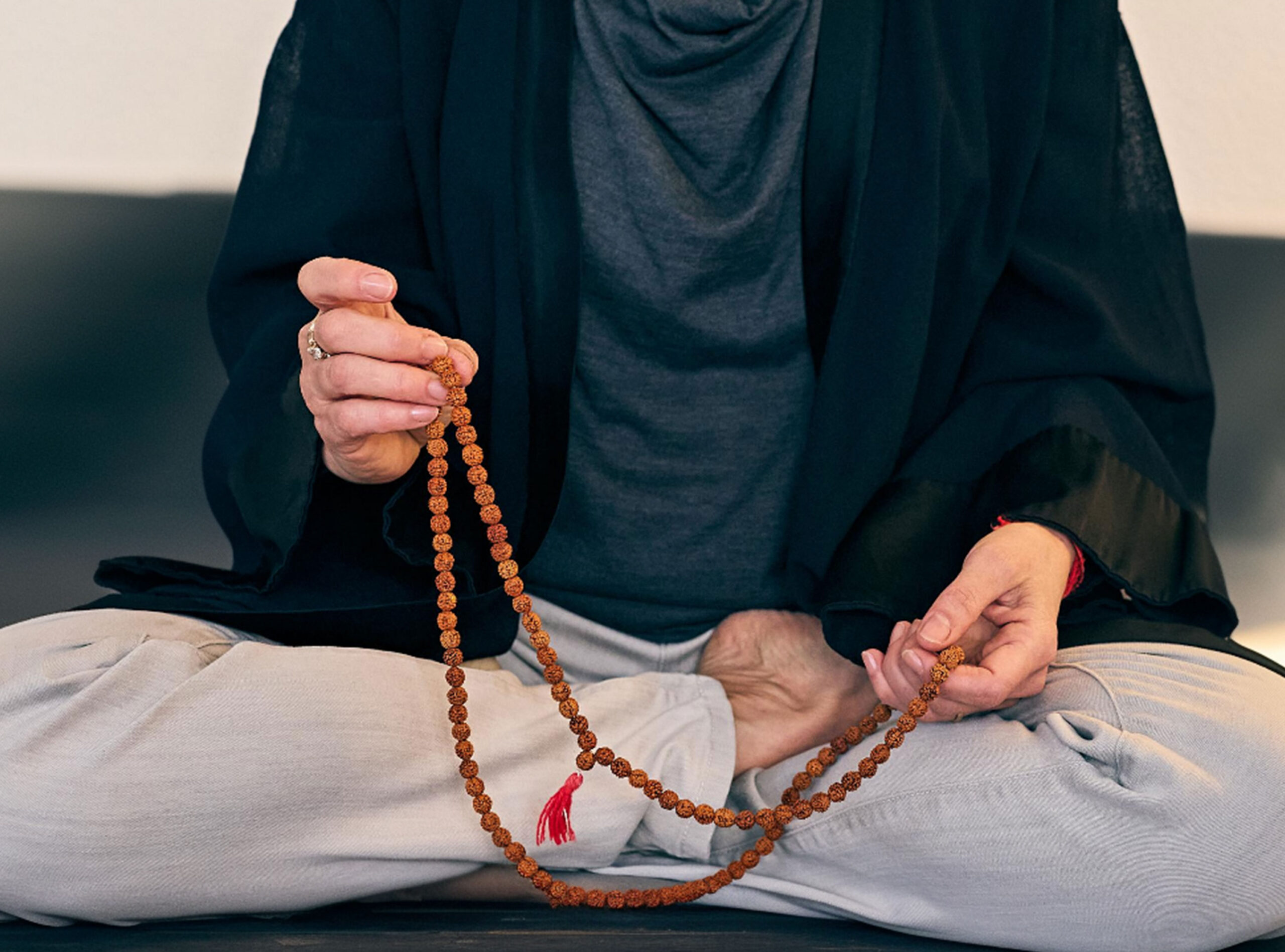
When I was about six years old, I watched a documentary about Asia and was deeply moved by how elders were respected for their wisdom. Around that time, I decided I wanted to be enlightened. I first set this goal for the age of seven, then moved it to nine, eleven, fifteen, twenty-two… The timeline kept changing, but the aspiration itself never disappeared. …and I am still learning.
When I was sixteen or seventeen, I browsed through my father’s library looking for the Tibetan Book of the Dead. Instead, he recommended the “Autobiography of a Yogi” by Paramahansa Yogananda. The book expanded my understanding of what might be possible beyond ordinary perception and experience, and sparked a deep interest in Kriya Yoga, which at the time sounded to me like a direct path toward spiritual realization.
Not long afterward, I learned to meditate through a yogic group connected with Sri Chinmoy and began practicing daily while still in school — ten minutes in the morning and ten minutes in the evening. It would take more than a decade, however, before I formally entered the Kriya Yoga tradition in the lineages of Paramahansa Yogananda and Roy Eugene Davis. Over the years, meditation gradually became one of the constants of my life.
Among the teachers and mentors who have influenced me most deeply are Roy Eugene Davis and Marty Wuttke. I also studied for several years attending the Kriya Yoga Academy of Harald and Marlies Reiske and was eventually ordained as a minister through the Center for Spiritual Awareness. What continues to interest me is not spirituality as belief or identity, but as a lived process of practice, inquiry, transformation, and superconscious awareness.
My Cultural Roots
I grew up in Vienna, Austria — a relatively small country in the heart of Europe, shaped by the Alps, long cultural traditions, and a complex Central European history. Austria has a population of just over 9 million, with roughly 2 million living in Vienna, reflecting the city’s historical role as the center of the former Habsburg monarchy.
Austria’s landscape influenced me early in life. About seventy percent of the country is mountainous, and I began skiing shortly after I learned to walk. Looking back, this may also explain my enduring love for nature, mountains, climbing, and cold alpine lakes.
Vienna itself has changed considerably since I was a child, yet much of its historical atmosphere remains intact. The city is known for its architecture, museums, music, cafés, and artistic heritage, including the Vienna Secession and Jugendstil era. Its roots go back to the Roman settlement of Vindobona, established around the first century CE, and many traditions from the imperial era are still woven into everyday life — from horse-drawn Fiaker carriages to winter ball season.
I was fortunate to grow up in the center of the city, close to museums and a large park where my friends and I spent countless afternoons climbing trees and exploring. At the same time, nature remained an important part of my upbringing. My parents often took us on small trips into nearby nature reserves, and both of my grandparents lived in more rural parts of Austria — one in Vorarlberg, where I was born, and the other in Tyrol. Altogether, I spent roughly a quarter of each year in the countryside with my grandparents, surrounded by mountains, forests, snow, and a slower rhythm of life. Those experiences shaped my connection to nature and to quieter ways of living beyond the city.
Having lived abroad for nearly two decades — first in Germany and now in the United States — I have become more aware of the cultural qualities I associate with Austria and especially with Vienna: a certain emotional warmth beneath initial reserve, a deep appreciation for beauty and nature, strong cultural memory, and a long tradition of music, philosophy, psychology, and science.
Austria has also produced an unusually rich range of influential thinkers, artists, and scientists, from Wolfgang Amadeus Mozart and Gustav Mahler to Sigmund Freud, Viktor Frankl, Erwin Schrödinger, Rudolf Steiner, and Viktor Schauberger. In different ways, many of them explored questions related to consciousness, perception, harmony, nature, and what lies beneath the surface of ordinary experience — themes that continue to resonate deeply with me today.

Of Mountains, Temples, Rock Gardens, and Roses
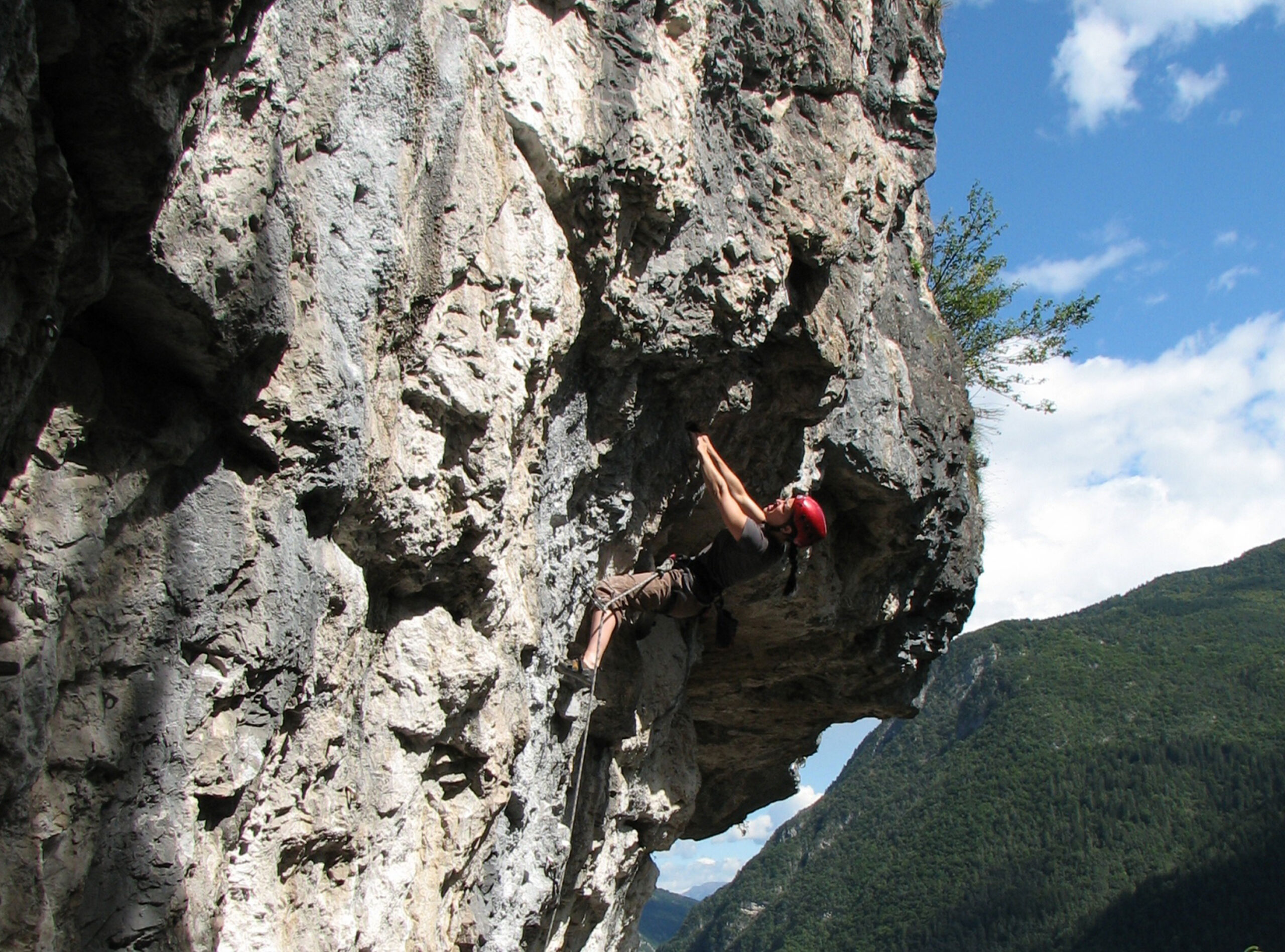
After finishing high school, my love for the mountains deepened through alpine ski touring, mountaineering, rock climbing, and even a brief encounter with ice climbing. Some winters included sleeping in tents high in the mountains, surrounded by snow and silence. During my university years especially, climbing and mountaineering became an important counterbalance to academic life and remained a steady source of challenge, freedom, and perspective.
Together with a friend, I once attempted to cross the Pyrenees on foot from the Atlantic to the Mediterranean. After nearly three weeks and roughly halfway through, we had to stop because of continuous rain, snow, and hail. Later, after discovering via ferratas and fixed-rope routes, I often headed into the mountains by myself, drawn to exposed rocky landscapes and cold mountain lakes.
Travel and learning about other cultures have also long been important to me — interests that eventually led me to study ethnology for several semesters. I always felt especially drawn toward Asia. One of the journeys that stayed with me most began in Kathmandu and continued through Tibet, including circling Mount Kailash, visits to Lake Manasarovar and the Mount Everest Base Camp, as well as many temples and monasteries along the way. On my final day back in Kathmandu, I visited a Hindu cremation ground. I still remember the unexpected sense of deep inner peace I felt there.
Another deeply meaningful journey, more recently, brought me to Tamil Nadu in South India. Given how deeply my spiritual orientation has been influenced by the Vedic tradition, something about that experience felt immediately familiar and deeply moving. The ancient temples I visited were among the most impressive places I have ever encountered. Even now, I find it difficult to fully describe what that journey evoked in me, yet its influence has remained long afterward.
Another “hobby,” in a sense, has always been my work itself — studying, researching, teaching, and following questions that genuinely fascinate me. I remember sitting at my computer at the university, wondering whether I should go climbing or continue working, only to realize that both brought me a similar sense of joy and engagement. Looking back, much of my life has been guided less by fixed plans than by curiosity, enthusiasm, and the desire to keep learning.
In recent years, living in more rural places has also allowed me to spend more time gardening — building small herbal rock gardens, rooting roses, and growing vegetables. I love working with soil and plants. There is something deeply grounding and calming for me about getting my hands dirty and tending quietly to living things.
A. Martin Wuttke
Awakening Stillpoint Associate
Marty has practiced and taught meditation, biofeedback and neurofeedback for over 40 years. He has dedicated his life to assisting others in the unfoldment of their individual potential. Marty is a pioneer in combining multiple protocols of neurofeedback training as a self-regulation tool for people suffering from a wide array of issues, including but not limited to anxiety, PTSD, OCD, depression, traumatic brain injury, eating disorders, chronic pain, anxiety, chemical dependency, and alcoholism. He continues to develop, research, and teach neurofeedback applications for areas such as ADD/ADHD, learning disabilities and developmental disorders, autoimmune disorders, and stress-related disorders. It is his experience that each person has unlimited potential for health, happiness, and for attaining their highest spiritual aspiration.